

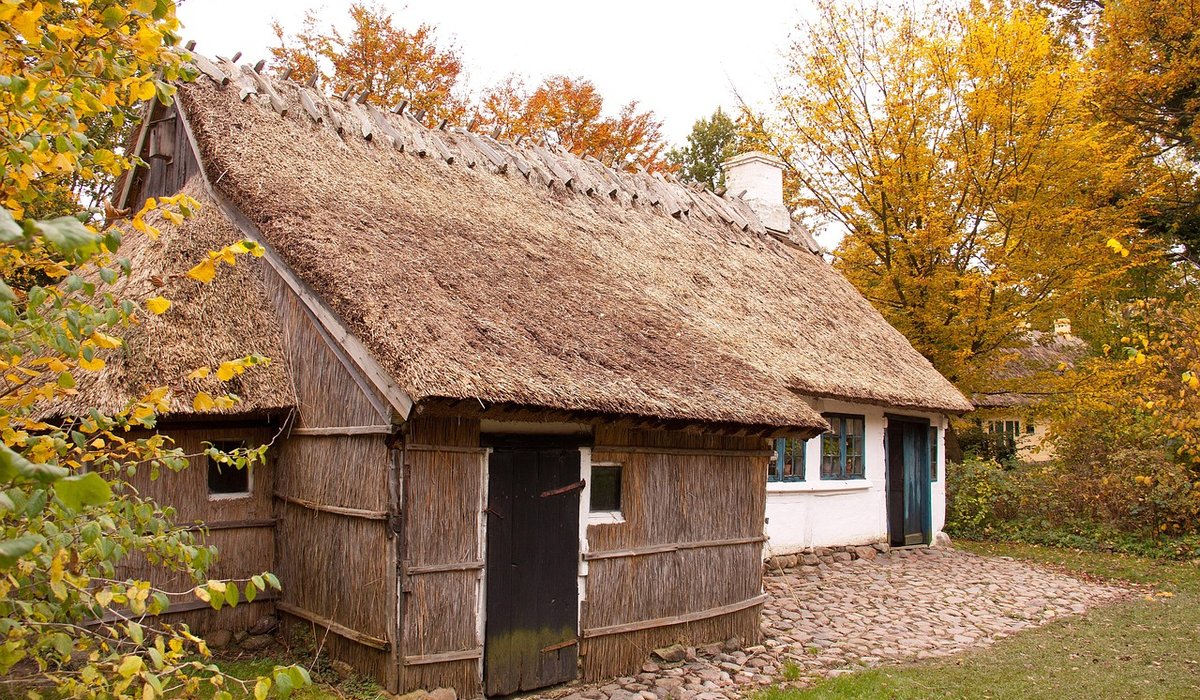
The Beams Are the Building
There is a particular moment when you first stand inside a derelict barn with a torch and look up. The roof timbers tell you almost everything: whether this is a project to savour or a bottomless pit. Oak, elm, ash — often reused from ships or from earlier buildings, cut by hand, jointed with pegs, and carrying two or three centuries of soot and smoke. That dark, uneven surface is precisely why people fall for barns in the first place. Strip it back to bright new timber and you have thrown away the best thing the building had.
So the guiding principle of beam restoration is simple to state, if not to carry out: keep as much of the original surface as possible, and intervene only where decay genuinely threatens structure. Cleaning is not the same as stripping.
Start With a Thorough Inspection
Go over every beam with a torch, a probe — a sturdy screwdriver or bradawl will do — and a notebook. Work in decent light and take your time.
- Feel for softness. Press the point of the probe into the timber along the grain. Sound oak resists; decayed wood gives way with a dull, spongy crunch.
- Look for flight holes. Small round holes the size of a pencil tip, with fine dust beneath them, usually mean common furniture beetle. Larger oval holes, up to about 10mm across, point to deathwatch beetle, which is far more serious in old hardwood.
- Check the ends and bearings. Beam ends built into damp walls are where rot begins. Look for dark, crumbly timber with cuboidal cracking, which suggests dry rot, or soft, stringy, wet-smelling wood, which suggests wet rot.
- Test the moisture. A modest pin-type moisture meter is worth every penny. Readings above roughly 20 per cent need attention, because beetle larvae and fungal spores both need damp timber to thrive.
- Watch for sag and movement. Excessive deflection, split scarf joints, or beams that have pulled away from their pockets may need a structural engineer rather than a brush and a tin of treatment.
Record your findings beam by beam. It is surprisingly easy to lose track halfway up a ladder, and the notes help you decide where the money should go.
Fix the Damp Before You Tackle the Beetle
Treating timber is pointless if the underlying damp remains. Leaking roof coverings, blocked gutters, raised external ground levels and cement render trapping moisture in solid walls will all keep beams wet. Sort these first, then let the building dry out over a season if you can, and re-test afterwards. Many apparently active infestations simply stop once moisture drops below about 18 to 20 per cent.
Where treatment is genuinely needed, a boron-based preservative applied by brush or spray is the sensible choice. Boron penetrates damp timber well and is far kinder than the old solvent-heavy, highly persistent products. It will not spoil the patina, it has low toxicity to mammals, and it is the usual approach in historic buildings. Do not seal the timber afterwards — old beams need to breathe.
One important caveat: if bats use the roof space, stop and take advice. All British bats and their roosts are legally protected, and that includes the very beams they rest on.
Clean Gently, Never Abrade
The temptation is to hire a sandblaster or a pressure washer. Please resist both. They destroy the softened outer fibres, raise the grain, erase tool marks and leave oak looking like reclaimed pine from a garden centre. Wire-brushing an entire roof is nearly as damaging.
- Begin with a soft brush and a vacuum cleaner with a brush attachment to lift dust, cobwebs and frass.
- For soot and grime, work in small areas with warm water and a little pH-neutral soap, using a natural bristle brush. Wipe with a clean cloth and let the timber dry slowly.
- Where grease or smoke staining persists, a poultice of finely powdered chalk or fuller's earth mixed with water can draw it out. Leave it to dry, brush it off, and repeat if needed.
- Never use caustic soda, dip-strippers or aggressive solvents on old beams. They bleach the surface and destroy the very colour you are trying to preserve.
- On painted beams, consider leaving historic paint in place. If it must come off, test for lead first.
Feeding the Wood Without Losing Its Soul
Once clean and dry, old beams need very little. A thin coat of boiled linseed oil, or a beeswax and turpentine polish, feeds the surface and brings up a soft sheen without sealing it. Apply sparingly with a lint-free cloth, work along the grain, and wipe off any excess — oily patches attract dust and turn tacky.
For beams in a working barn or above a kitchen, a breathable hard wax oil gives a little more protection. Avoid polyurethane varnish, knotting and plastic-based sealers at all costs. They trap moisture, crack with movement, and are a nightmare to reverse later.
Living With Old Timbers
Expect movement. Old beams creak as they warm and cool, shed a little dust, and occasionally drop a beetle or two long after treatment. That is normal, not a failure. Give them ten minutes with a torch each autumn and you will spot problems while they are still small.
Repairs, when they are needed, should be honest. A spliced-in section of reclaimed oak, fixed with stainless steel bolts or traditional oak pegs, is far better than filling a rotten end with resin. Match the grain, match the section, and leave the join visible. A barn that wears its history openly is worth more, both financially and emotionally, than one that pretends to be new.


Coding is used in almost all aspects of life and work now, be it directly or indirectly. It’s not just for companies in the tech sector. “An increasing number of businesses rely on computer code,
Coding is used in almost all aspects of life and work now, be it directly or indirectly. It’s not just for companies in the tech sector. “An increasing number of businesses rely on computer code,
Coding is used in almost all aspects of life and work now, be it directly or indirectly. It’s not just for companies in the tech sector. “An increasing number of businesses rely on computer code,