

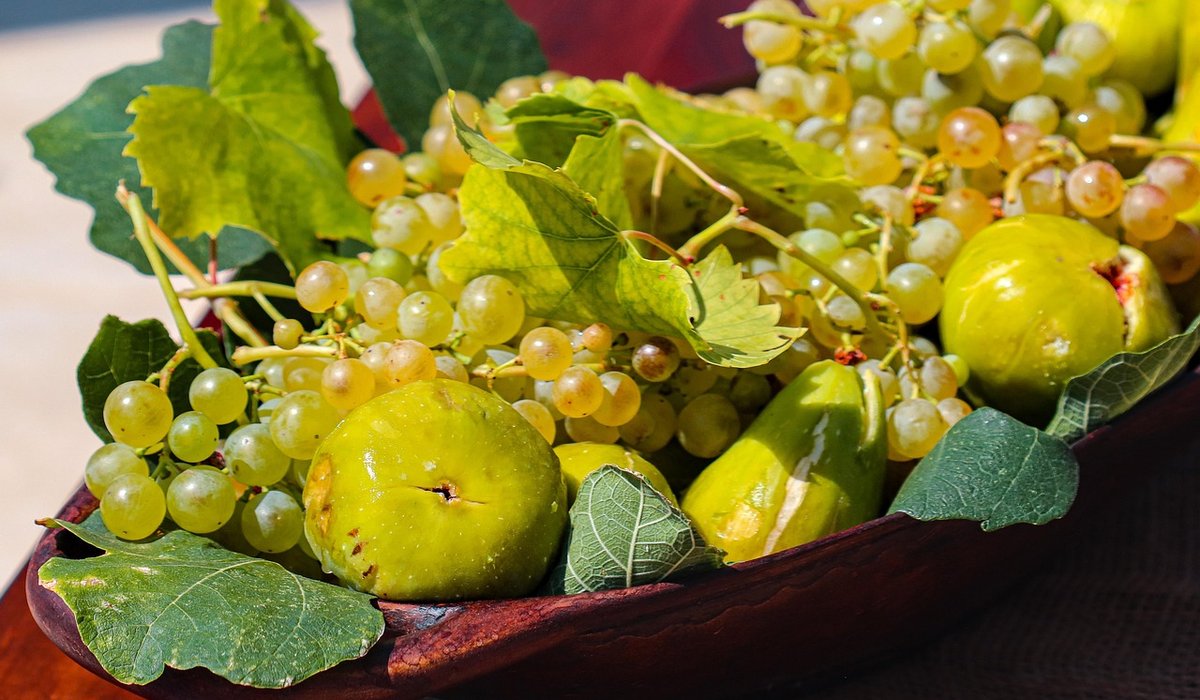
Why Plant an Orchard on a Smallholding?
An orchard is one of the most rewarding things you can establish on a smallholding. It gives you fruit for eating, cooking, cider and chutney, provides blossom for pollinators in spring, shelter and habitat for wildlife, and a structure to the land that will outlast most of us. Unlike a vegetable bed, which demands attention every week, a well-planted orchard settles into a rhythm and largely looks after itself once the trees are established.
The catch is that an orchard is a long-term commitment. Get the basics right at planting and you will be picking fruit for decades. Get them wrong and you will spend years nursing sulky, disease-ridden trees. The good news is that Britain has an extraordinary heritage of apple and pear varieties, many of them bred for exactly the damp, variable climate and heavy clay soils that trip up imported supermarket types.
Start With the Soil and the Site
Before you order a single tree, spend time with a spade. Fruit trees hate waterlogged roots, and on many smallholdings the wettest corner is also the flattest and most tempting to plant. Dig a few test holes a spade deep and see how quickly they drain after rain. If water sits in the hole overnight, either plant on a slight mound or choose a rootstock that tolerates heavier ground.
- Drainage: Apples and pears prefer free-draining loam but will cope with clay if it is improved with organic matter and not compacted.
- pH: Aim for 6.0 to 7.0. Very acid ground benefits from a dressing of lime before planting.
- Frost pockets: Avoid hollows where cold air pools. Late frosts will strip blossom and cost you the entire crop.
- Shelter: A hedgerow or windbreak on the prevailing wind side protects blossom and stops young trees rocking loose.
- Sunlight: Six hours of direct sun daily is the realistic minimum for good cropping and ripe fruit.
Do not plant where you have recently grubbed out old fruit trees. Replant disease is real, and the ground needs a rest of several years or a thorough replacement of the soil in each planting pit.
Choosing Traditional Varieties
This is where smallholders have a genuine advantage over commercial growers. You are not chasing uniform size or shelf life, so you can grow fruit that actually tastes of something. Choose varieties with a proven local track record, ideally from a nursery within a hundred miles of you.
For apples, consider Bramley for cooking, Egremont Russet for its nutty, dense flesh, Discovery for an early bite, and Ashmead's Kernel or Blenheim Orange for keeping. Pears are trickier but well worth it: Conference is reliable and self-fertile, Doyenné du Comice is superb in good years, and Beth crops young and heavy.
Pollination matters more than most beginners realise. Most apples need a partner flowering at the same time, so check flowering groups before ordering. Triploids such as Bramley need two pollinators. Pears are generally a little easier, but still benefit from company.
Rootstocks, Spacing and Layout
The rootstock controls the ultimate size of the tree, and it is the single most important decision for a smallholding. Choose it to match your space and how much ladder work you fancy in ten years' time.
- M27 and M9: Dwarfing. Two to three metres. Ideal for cordons, espaliers and small gardens with rich soil.
- M26: Semi-dwarf, around three to four metres. A good all-rounder for the smallholder.
- MM106: Vigorous, four to five metres. Suits poorer soils and larger orchards.
- M25: Full standard, six metres or more. For traditional grazing orchards.
Spacing follows the rootstock. A rough guide is to allow at least the mature spread of the tree plus a metre. On M26, plant apples around four metres apart, pears five. Rows should be further apart than trees within the row, giving room for a mower, a barrow and, crucially, airflow.
Light is the other thing to design for. A tree that only ever sees sun on one side crops poorly, ripens unevenly and suffers more disease. Run rows north to south where the ground allows, and keep the orchard away from the shade of buildings and mature hedges.
Planting Day and the First Few Years
Bare-root trees planted between November and March establish best and cost less. Order early, heel them in if the ground is frozen, and never let the roots dry out. Dig a planting hole wide rather than deep, fork the base to break any pan, and set the tree so the old soil mark sits at or slightly below ground level.
Stake young trees for at least three years, using a short stake angled away from the prevailing wind. Fit a rabbit guard, because a single winter of bark gnawing can kill a tree outright. Water deeply through the first two summers, and mulch with well-rotted manure kept clear of the trunk.
Prune lightly at planting to balance the roots and branches, then leave the tree to establish. Summer pruning for shape, winter pruning for growth: keep it simple and aim for an open goblet shape that lets light and air into the centre.
Looking Ahead
Expect a token crop in year three, a useful one by year five, and full production from around year eight. Plant a few soft fruit bushes between the rows while the trees are young, and let the orchard earn its keep from the start. There is something quietly satisfying about walking a smallholding orchard in October, pockets full of russets, knowing you planted it right.


Coding is used in almost all aspects of life and work now, be it directly or indirectly. It’s not just for companies in the tech sector. “An increasing number of businesses rely on computer code,
Coding is used in almost all aspects of life and work now, be it directly or indirectly. It’s not just for companies in the tech sector. “An increasing number of businesses rely on computer code,
Coding is used in almost all aspects of life and work now, be it directly or indirectly. It’s not just for companies in the tech sector. “An increasing number of businesses rely on computer code,