

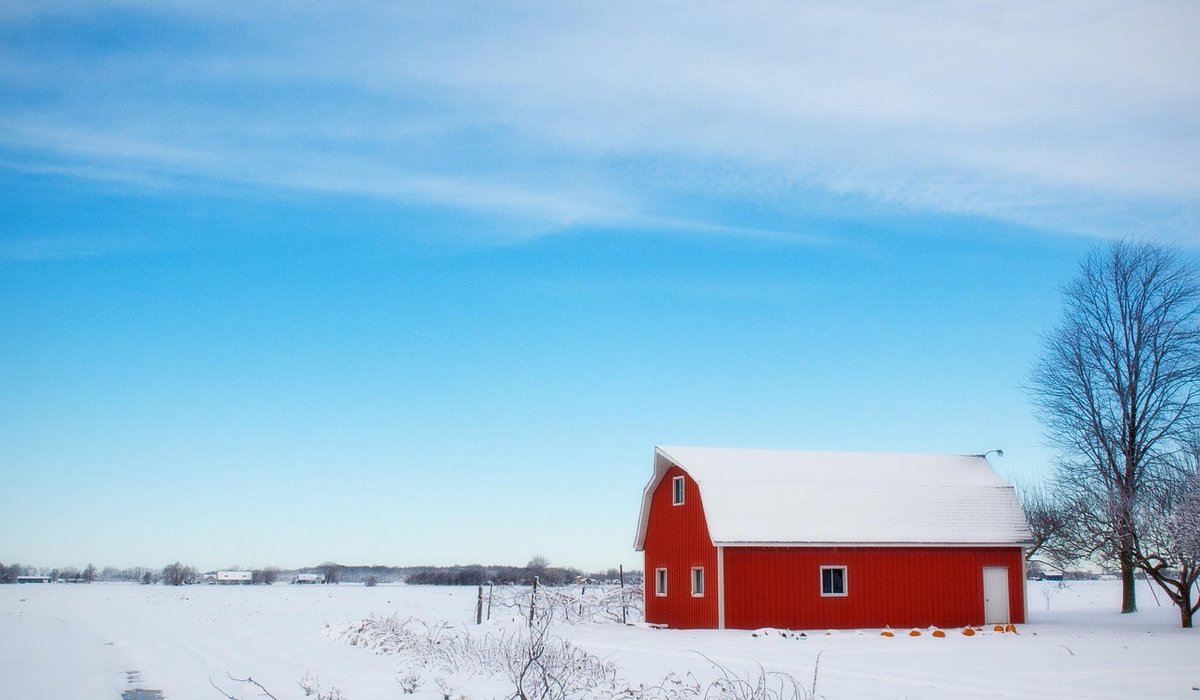
Why a wood burner suits rural homes and barn conversions
There is nothing quite like the warmth of a wood burning stove on a cold winter’s evening, especially when you live in the countryside. For those in barn conversions or running a smallholding, a stove can be the heart of the home and a practical way to use your own seasoned timber. But choosing the right stove is about more than looks. You need to match its size to your room, check its efficiency, and make sure the flue and ventilation are safe and effective. Get these basics right, and you will enjoy years of reliable, cost-effective heat.
Match the stove output to your room volume
Stoves are rated in kilowatts (kW), and choosing the wrong size is the most common mistake. Too small, and you will be cold; too large, and you will be forced to run it low and slow, which creates tar and creosote in the flue. Start by calculating the room’s volume in cubic metres: length x width x height. For a well-insulated room, allow roughly 1 kW of output for every 14 cubic metres. So a room measuring 6m x 5m x 2.4m (72 m³) would need about 5 kW.
Barn conversions need special care. They often have high ceilings, large glazed areas, and less insulation than a modern house. Heat rises and gets trapped above, so you may need to add 20–30% to your calculation. If your barn is draughty or poorly insulated, work on 1 kW per 10 cubic metres instead. A 120 m³ open-plan space might then need 12 kW. However, a stove that is too powerful will overheat the room quickly. Look for a stove with a good output range, and consider a professional heat loss survey. Never guess – an oversized stove is inefficient and uncomfortable.
Check efficiency ratings and emissions
Efficiency tells you how much of the wood’s energy becomes heat rather than disappearing up the chimney. Modern stoves are far better than older models. Aim for an efficiency rating of at least 75%, and preferably over 80%. Ecodesign compliant stoves meet strict limits for particulate emissions and are a sensible choice for rural areas, even outside smoke control zones. If you live in a smoke control area, you must use an exempt stove – check with your local authority before buying.
- Ecodesign: a legal standard for new stoves sold in the UK, covering emissions and efficiency.
- Smoke control exemption: required if you are in a designated urban or rural smoke control area.
- Seasoned wood: burn logs with less than 20% moisture. A moisture meter is a small investment that pays for itself.
- Secondary burn: look for a stove with a clean burn system that re-ignites gases for better efficiency.
Higher efficiency means less wood for the same heat, less ash, and a cleaner flue. That matters when you are managing your own wood supply.
Get the flue right for safety and performance
The flue is the engine of your stove. Without a good draught, even the best stove will smoke and underperform. For barn conversions without an existing chimney, you will need a twin wall insulated flue. It must be installed to building regulations, with a minimum height of 4.5 metres from the stove to the terminal, and it should be at least 1 metre above the roof where it passes through. If you are using an existing chimney, it may need a flexible liner – especially if the chimney is old or has been used for open fires. The flue diameter must match the stove outlet, and there should be access for sweeping.
Always fit a carbon monoxide alarm in the same room as the stove. It is a legal requirement in many cases and a sensible precaution in every rural home. Do not cut corners on flue installation. Use a registered installer who can certify the work and ensure it complies with building regulations.
Ventilation: stoves need air to breathe
A stove draws air from the room for combustion, and that air has to come from somewhere. In older, draughty properties, there is usually enough natural leakage. But barn conversions are often made airtight during renovation, and modern windows and doors seal tightly. If the stove cannot get enough air, it will not burn properly, and you may get smoke spilling into the room.
Building regulations require permanent ventilation for stoves over 5 kW. The rule of thumb is an additional 550 mm² of free air space for every kW above 5 kW. For an 8 kW stove, that means 3 x 550 = 1650 mm² – roughly the size of a standard air brick. This can be a wall vent or a floor vent, but it must not be blockable. Some stoves have an external air kit, which draws air directly from outside – ideal for airtight barn conversions. If you are unsure, ask your installer to calculate the requirement.
Practical considerations for smallholding life
Living on a smallholding means you probably have access to your own wood, but that wood needs to be seasoned for at least a year – ideally two – before burning. Build a log store that keeps rain off but allows air to circulate. Rotate your stock so you always burn the oldest first. A stove with a flat top can double as a slow cooker or kettle warmer, which is a lovely bonus on a working smallholding.
Think about maintenance. You will need to empty ash regularly, sweep the chimney at least once a year (twice if you burn often), and check door seals. Choosing a stove with easy access to the baffle and throat plate makes cleaning simpler. Finally, consider the look and feel: cast iron for tradition, steel for quick heat, and soapstone for a gentle, long-lasting warmth. Whatever you choose, match it to your room, your fuel, and your daily routine. Done right, a wood burning stove will be the most rewarding investment in your rural home.


Coding is used in almost all aspects of life and work now, be it directly or indirectly. It’s not just for companies in the tech sector. “An increasing number of businesses rely on computer code,
Coding is used in almost all aspects of life and work now, be it directly or indirectly. It’s not just for companies in the tech sector. “An increasing number of businesses rely on computer code,
Coding is used in almost all aspects of life and work now, be it directly or indirectly. It’s not just for companies in the tech sector. “An increasing number of businesses rely on computer code,